Modern nursing education faces increasing demands. Healthcare systems are more complex, patient acuity levels are higher, and expectations for safety and clinical competence continue to rise. In this evolving landscape, high-fidelity simulation has become a cornerstone of effective nursing education, providing immersive, realistic training experiences that prepare students for the realities of clinical practice.
What Is High-Fidelity Simulation?
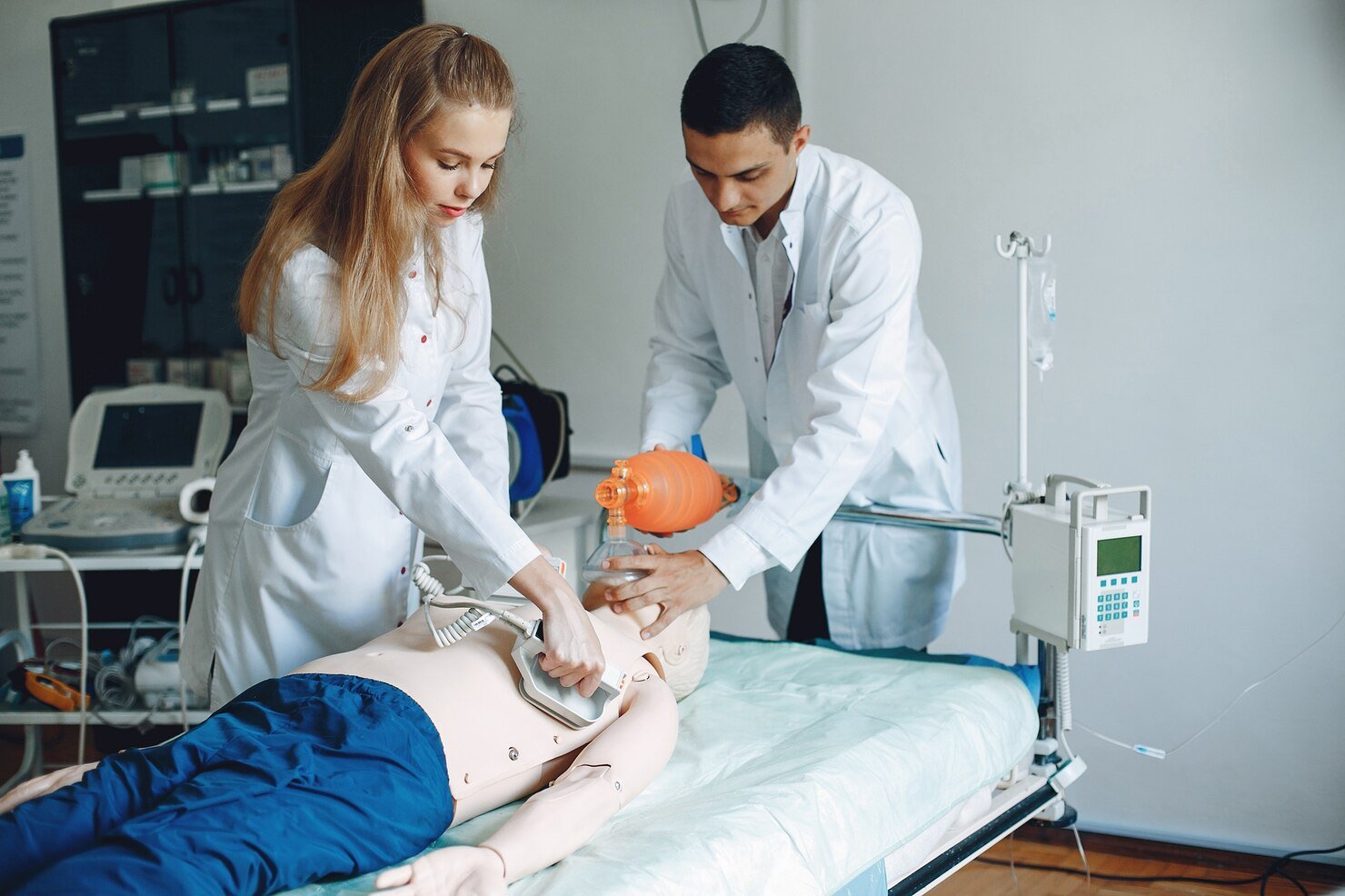
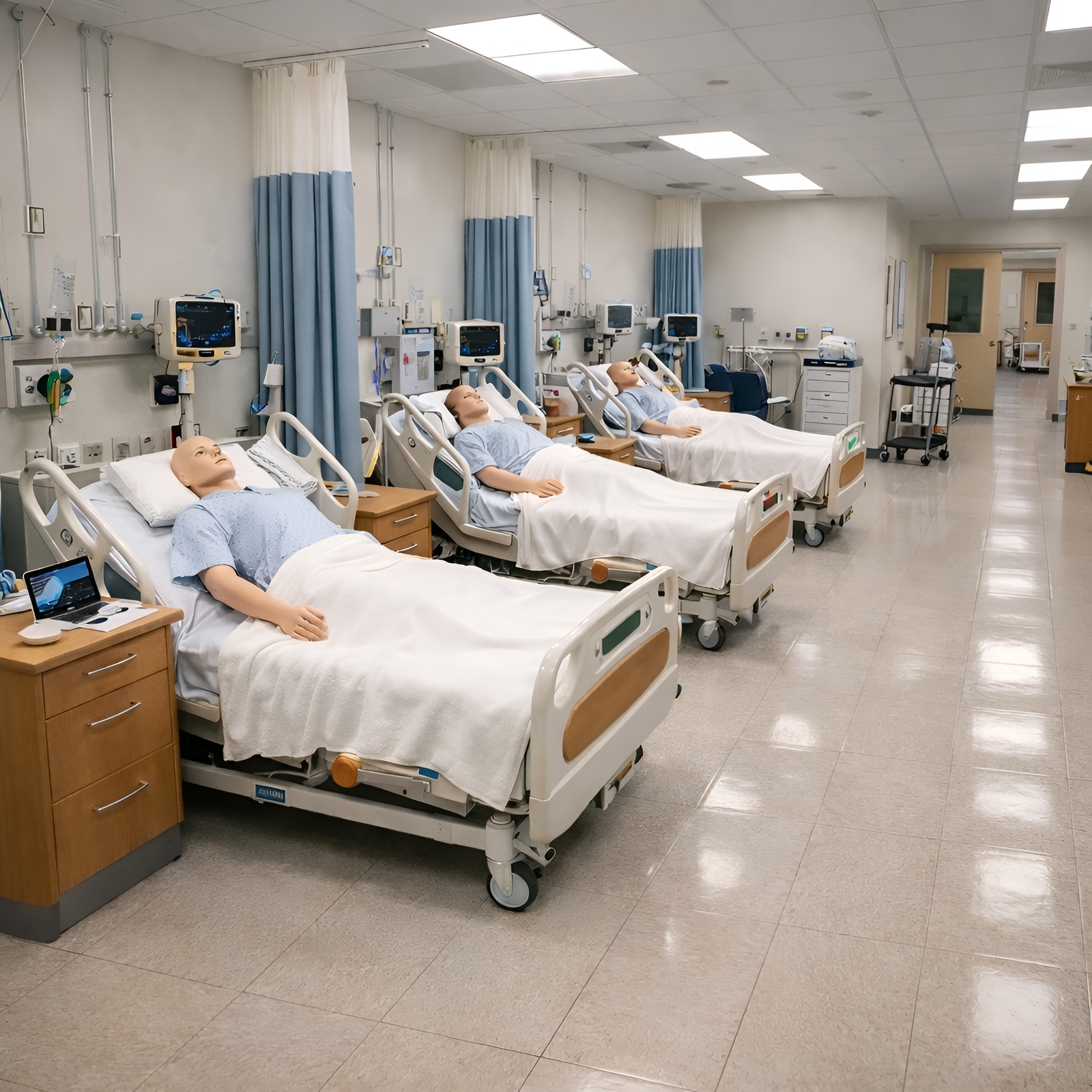
High-fidelity simulation refers to advanced, technology-driven training environments that closely replicate real hospital settings. These simulations use sophisticated mannequins capable of mimicking human physiology—displaying heart sounds, lung sounds, pulse changes, breathing patterns, and even verbal responses. Combined with authentic clinical equipment and structured scenarios, this technology creates a highly realistic learning experience.
Unlike traditional demonstrations or low-fidelity practice models, high-fidelity simulation allows students to interact with dynamic patient conditions that evolve based on their decisions and interventions.
Enhancing Clinical Competence
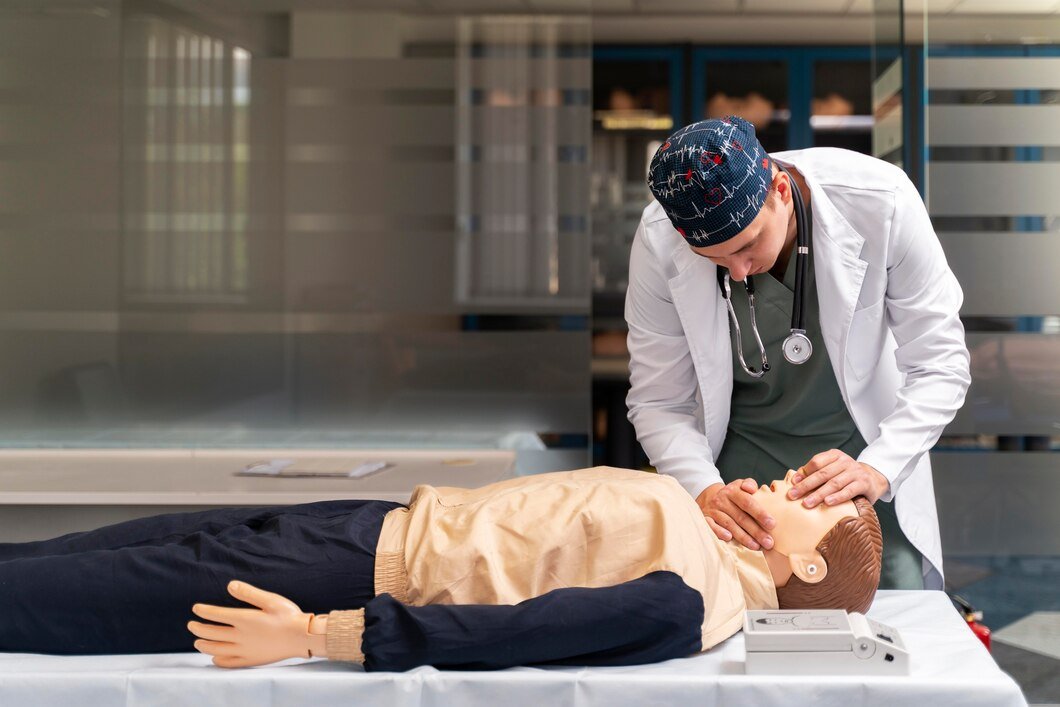
One of the primary roles of high-fidelity simulation is to strengthen clinical competence. Students are able to perform assessments, administer medications, manage airway support, and respond to emergencies in a safe and controlled environment.
These immersive scenarios challenge learners to integrate knowledge from multiple disciplines—pharmacology, pathophysiology, and patient care principles—while applying critical thinking in real time. Repeated practice reinforces procedural accuracy and builds muscle memory, ensuring greater confidence in clinical placements.
Developing Critical Thinking and Decision-Making
Modern healthcare requires nurses who can analyze complex patient data and make timely decisions. High-fidelity simulation scenarios are intentionally designed to present evolving clinical situations that demand prioritization and sound judgment.
For example, a simulated patient’s vital signs may deteriorate unexpectedly, requiring immediate intervention. Students must assess the situation, identify the cause, and implement appropriate care strategies. This experiential learning sharpens analytical skills and prepares nurses for unpredictable real-world conditions.
Promoting Patient Safety
Patient safety remains a fundamental priority in healthcare education. High-fidelity simulation provides a risk-free space where students can practice complex procedures without compromising real patients.
Mistakes made during simulations become valuable learning opportunities. Through structured debriefing sessions, educators guide learners in reflecting on their actions, identifying areas for improvement, and reinforcing best practices. This continuous feedback loop strengthens accountability and supports a culture of safety.
Strengthening Communication and Teamwork
Healthcare delivery is inherently collaborative. Nurses must work effectively with physicians, specialists, and interdisciplinary teams. High-fidelity simulations often incorporate team-based exercises that mirror real clinical dynamics.
Participants practice clear communication, leadership, delegation, and coordination under pressure. These experiences improve teamwork skills and enhance the ability to function effectively within complex healthcare systems.
Aligning With Modern Educational Standards
Accreditation bodies and healthcare organizations increasingly recognize simulation-based education as an essential component of nursing curricula. High-fidelity simulation aligns with competency-based learning models and supports measurable outcomes in clinical readiness.
By integrating advanced simulation technology, institutions demonstrate a commitment to innovation, academic excellence, and regulatory compliance. This strategic investment enhances institutional credibility while ensuring graduates meet professional standards.
Preparing Nurses for Technological Advancements
Healthcare technology continues to evolve, from electronic health records to advanced monitoring systems. High-fidelity simulation environments incorporate these tools, familiarizing students with the equipment and workflows they will encounter in clinical practice.
This exposure fosters adaptability and technological competence—key attributes for nurses working in modern healthcare settings.
Conclusion
High-fidelity simulation plays a vital role in shaping the future of nursing education. It transforms theoretical knowledge into practical expertise, strengthens clinical judgment, enhances teamwork, and promotes patient safety.
As healthcare grows increasingly complex, simulation-based training will remain essential in preparing confident, competent, and practice-ready nurses. By embracing high-fidelity simulation, educational institutions ensure that their graduates are equipped to deliver high-quality care in dynamic and demanding clinical environments.