The journey from nursing classroom to real clinical practice is one of the most critical transitions in a healthcare professional’s education. While textbooks, lectures, and theoretical discussions provide essential knowledge, they cannot fully prepare students for the fast-paced, high-stakes environment of modern healthcare settings. This is where simulation training becomes a transformative force in nursing education.
Simulation bridges the gap between knowing and doing. It transforms abstract concepts into hands-on experience and empowers students to move confidently from classroom learning to clinical excellence.
The Gap Between Theory and Practice
In traditional nursing education, students spend significant time studying anatomy, pharmacology, patient care standards, and evidence-based practice. However, applying that knowledge in real patient situations can be overwhelming.
Real clinical settings involve:
- Rapid decision-making
- Emotional patients and families
- Time pressure
- Unexpected complications
- Team-based coordination
Without structured preparation, students may struggle with anxiety and uncertainty during their first clinical experiences. Simulation training directly addresses this gap by offering realistic practice before students encounter real patients.
Learning by Doing
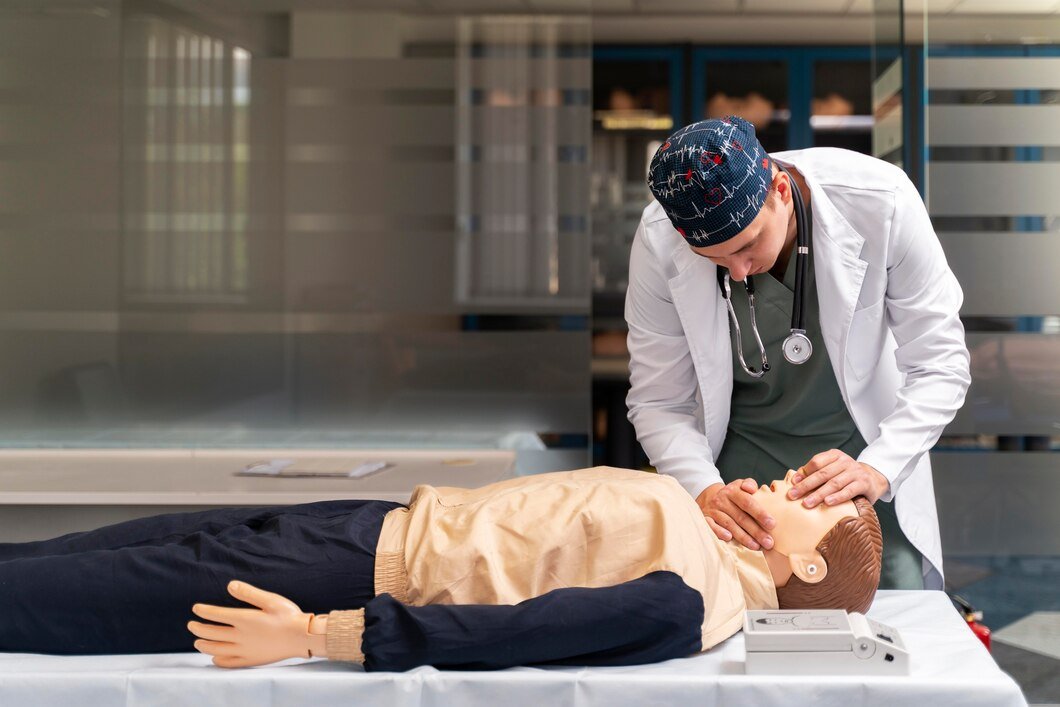
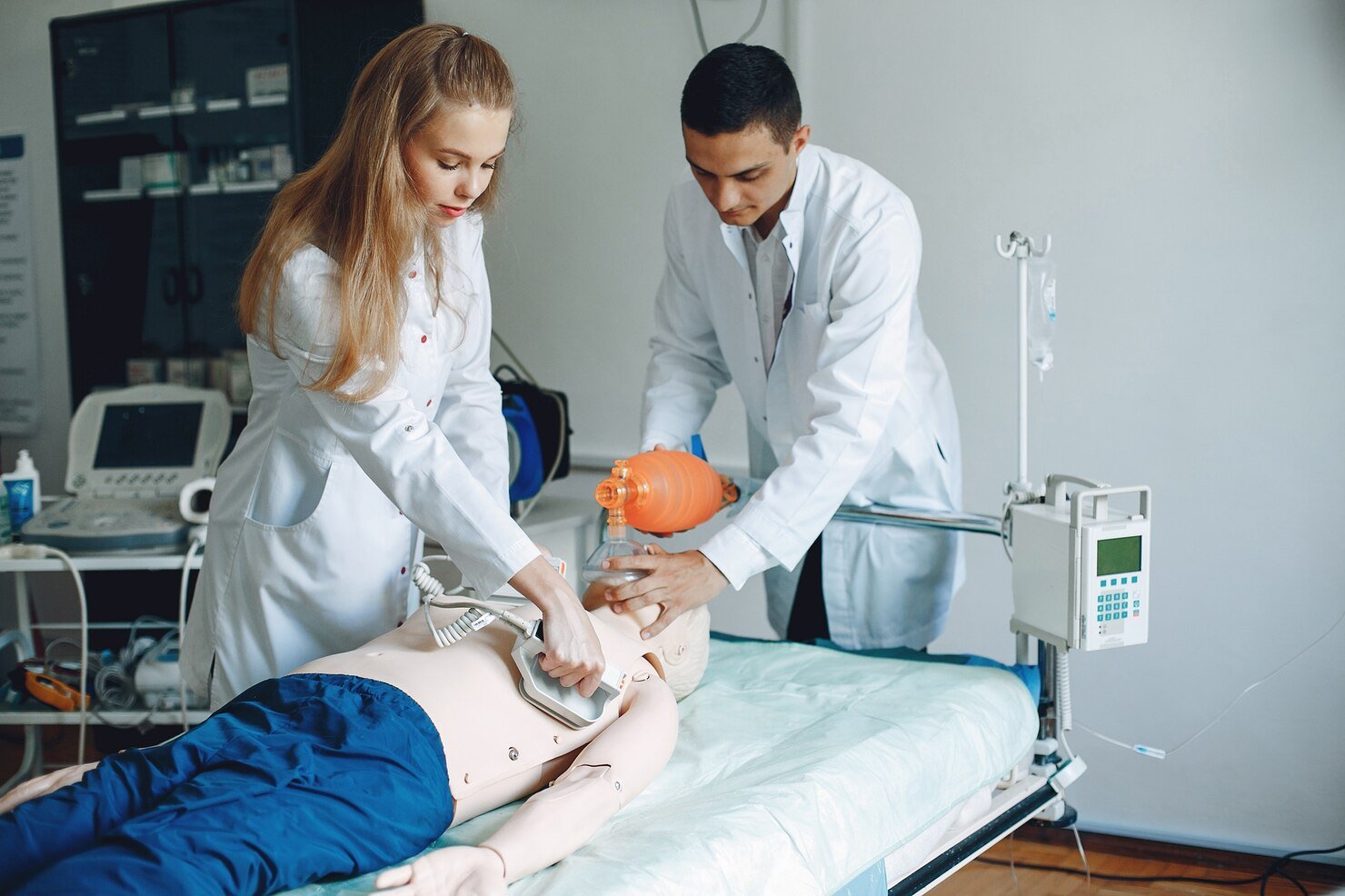
Simulation training shifts education from passive learning to active participation. Instead of simply reading about cardiac arrest management or respiratory distress, students experience these scenarios in controlled, immersive environments.
Through scenario-based simulations, learners:
- Assess patient conditions
- Monitor vital signs
- Administer medications
- Respond to emergencies
- Communicate with team members
This experiential learning strengthens retention and reinforces clinical reasoning skills far more effectively than lecture-based instruction alone.
Building Clinical Confidence
Confidence is a crucial component of competent nursing practice. When students repeatedly practice skills in realistic scenarios, they begin to trust their knowledge and abilities.
Simulation provides:
- Safe practice opportunities
- Repetition of complex procedures
- Exposure to rare but critical situations
- Gradual increase in scenario complexity
By the time students enter real clinical placements, they have already “experienced” similar situations in simulation labs. This familiarity reduces fear and increases professional confidence.
Strengthening Critical Thinking and Decision-Making
Healthcare professionals must think critically under pressure. Simulation scenarios are designed to evolve dynamically, requiring students to prioritize interventions and adjust care plans in real time.
For example, a simulated patient’s condition may suddenly deteriorate. Students must quickly assess the situation, interpret clinical data, and initiate appropriate interventions.
These exercises enhance:
- Analytical thinking
- Clinical judgment
- Problem-solving skills
- Situational awareness
Over time, learners develop the ability to respond calmly and effectively in complex clinical environments.
Promoting Patient Safety
One of the greatest benefits of simulation training is the ability to learn without risking patient harm. Students can practice high-risk procedures, make mistakes, and learn from them in a controlled setting.
Mistakes in simulation become powerful teaching moments. Guided debriefing sessions allow students to reflect on their decisions, understand consequences, and improve future performance.
This focus on safety ensures that when students transition to real clinical environments, they are better prepared to provide safe, evidence-based care.
Enhancing Communication and Teamwork
Modern healthcare relies on collaboration among multidisciplinary teams. Simulation training often includes team-based exercises that mirror real hospital dynamics.
Participants practice:
- Clear and structured communication
- Leadership and delegation
- Crisis management
- Interprofessional collaboration
By rehearsing teamwork skills in simulated environments, students become more effective communicators and contributors in clinical settings.
Emotional Preparedness for Clinical Reality
Beyond technical skills, nursing requires emotional resilience. Simulation scenarios may include high-stress situations such as emergency codes, end-of-life care, or critical patient deterioration.
Experiencing these situations in a structured learning environment helps students develop emotional control and professional composure. This preparation reduces shock and anxiety when facing similar events in real clinical practice.
Technology Integration in Modern Training
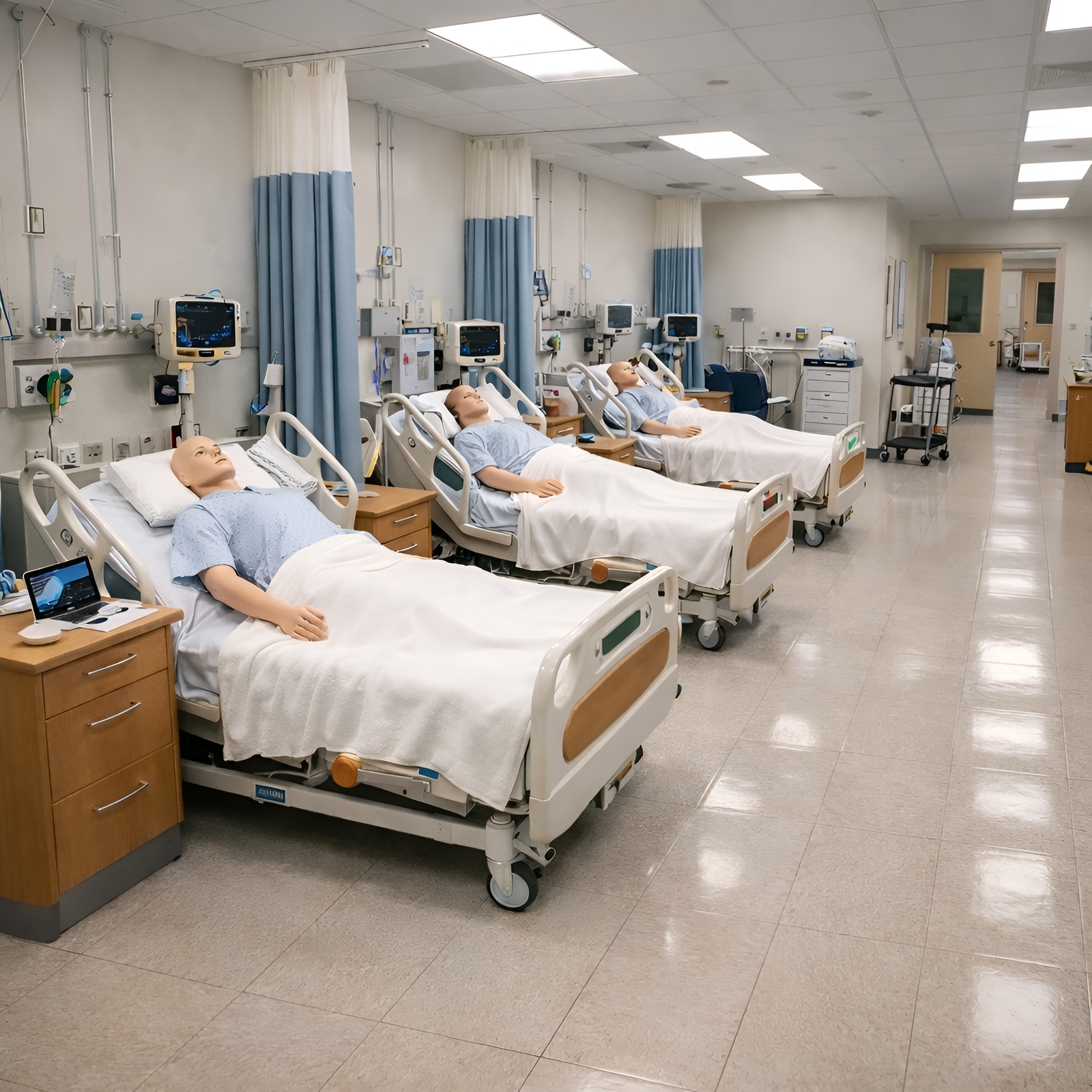
Simulation labs incorporate advanced medical equipment and digital systems similar to those used in hospitals. Students learn to operate monitors, infusion pumps, ventilators, and electronic health record systems.
Familiarity with these technologies ensures smoother transitions into clinical settings and reduces the learning curve during internships or first job placements.
Transforming Education Outcomes
Institutions that integrate simulation training into their curricula often observe measurable improvements in student performance, competency evaluations, and clinical readiness.
Simulation supports:
- Competency-based education
- Standardized skill assessment
- Objective performance evaluation
- Continuous quality improvement
As healthcare continues to evolve, simulation-based education ensures nursing graduates meet modern professional standards.
Conclusion
The transition from classroom to clinic is no longer a leap into the unknown. Through the power of simulation training, nursing education has become more immersive, practical, and effective than ever before.
Simulation transforms theory into action, builds confidence, sharpens critical thinking, strengthens teamwork, and promotes patient safety. It prepares students not only to pass exams—but to perform competently and compassionately in real healthcare environments.
In today’s complex medical landscape, simulation is not just an educational tool—it is a vital pathway from learning to lifesaving practice.