Healthcare education has evolved dramatically over the past decade. Traditional lectures and textbook learning are no longer enough to prepare future nurses for the fast-paced, high-pressure environment of modern hospitals. Today, nursing simulation labs serve as the bridge between classroom theory and real-world clinical practice.
But what exactly happens inside a modern nursing simulation lab? What should students, educators, or healthcare professionals expect? Let’s take a closer look.
A Realistic Clinical Environment
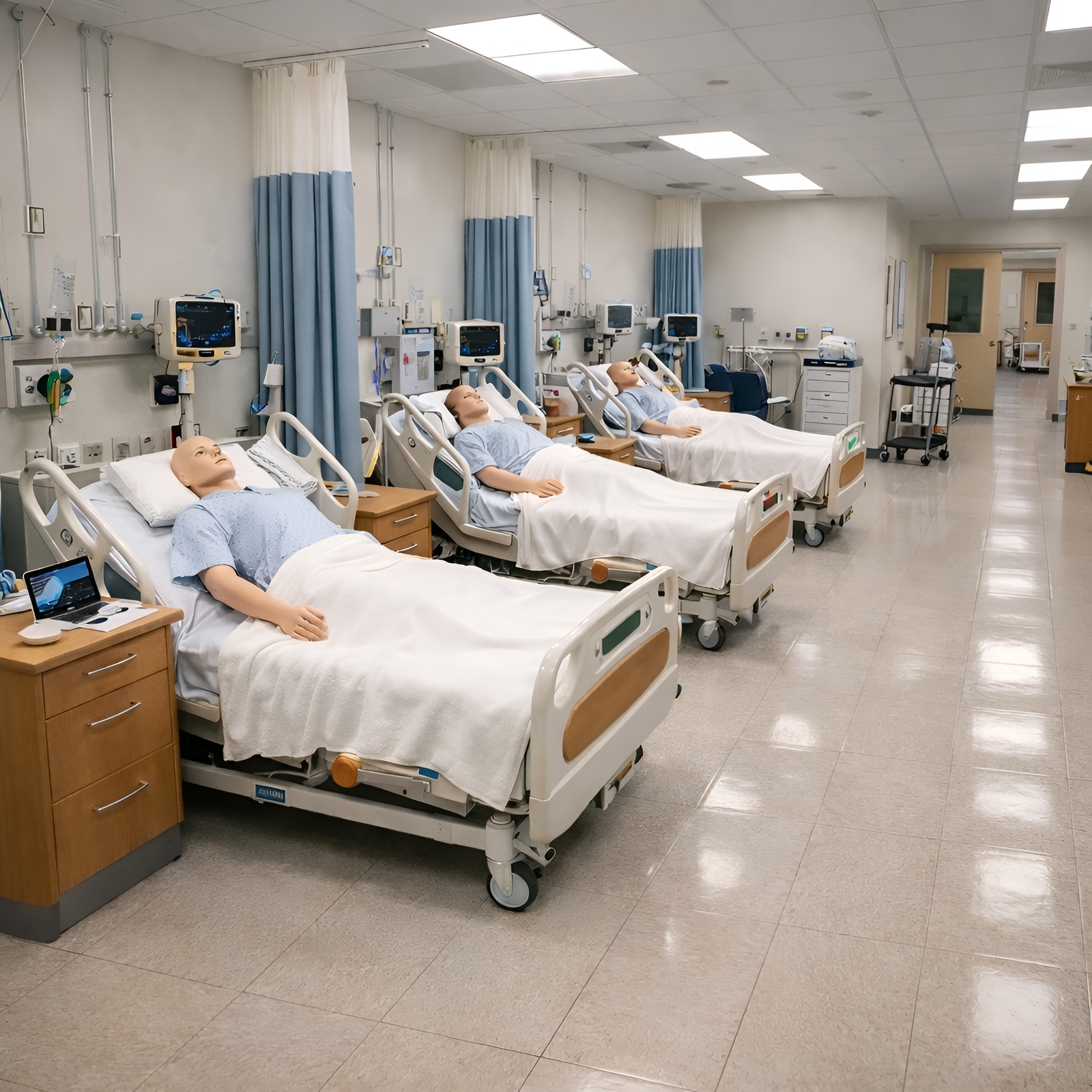
The first thing you notice when entering a modern simulation lab is how closely it resembles an actual hospital unit. From hospital beds and IV poles to cardiac monitors and medication carts, every detail is designed to mirror a real healthcare setting.
Students don’t feel like they’re in a classroom—they feel like they’re in a clinical ward. This realistic setup enhances immersion and prepares learners to become comfortable in hospital environments before ever stepping into a real patient room.
High-Fidelity Mannequins and Advanced Technology
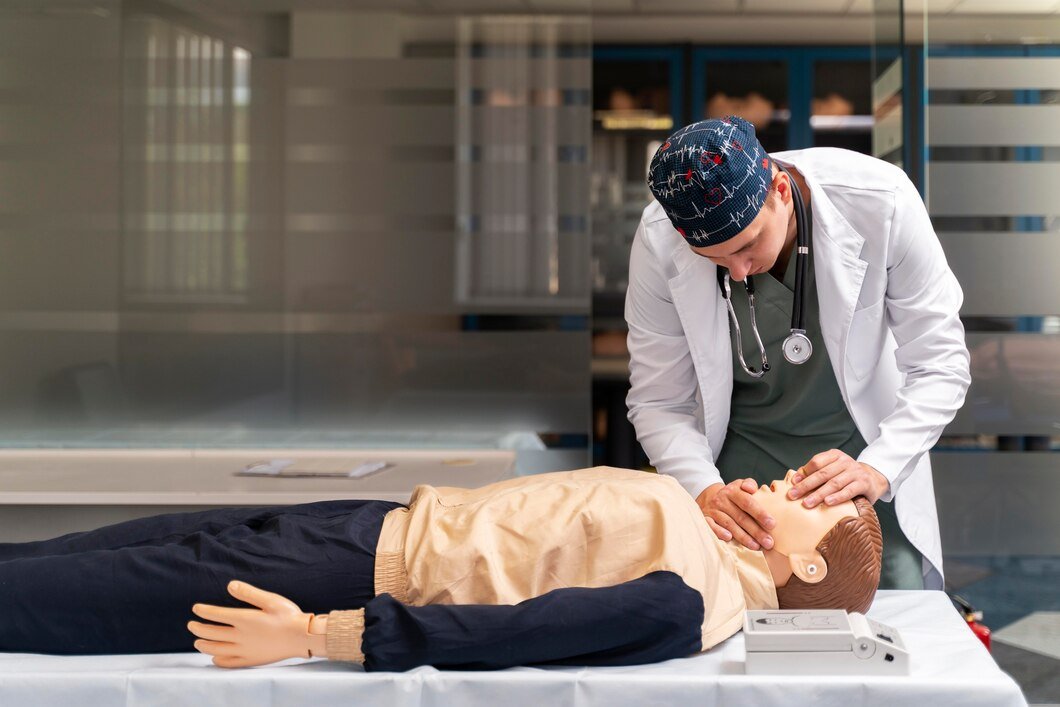
Modern simulation labs are equipped with high-fidelity mannequins that can breathe, speak, blink, and respond physiologically to treatment. These simulators can display:
- Changing vital signs
- Abnormal heart and lung sounds
- Oxygen desaturation
- Seizure activity
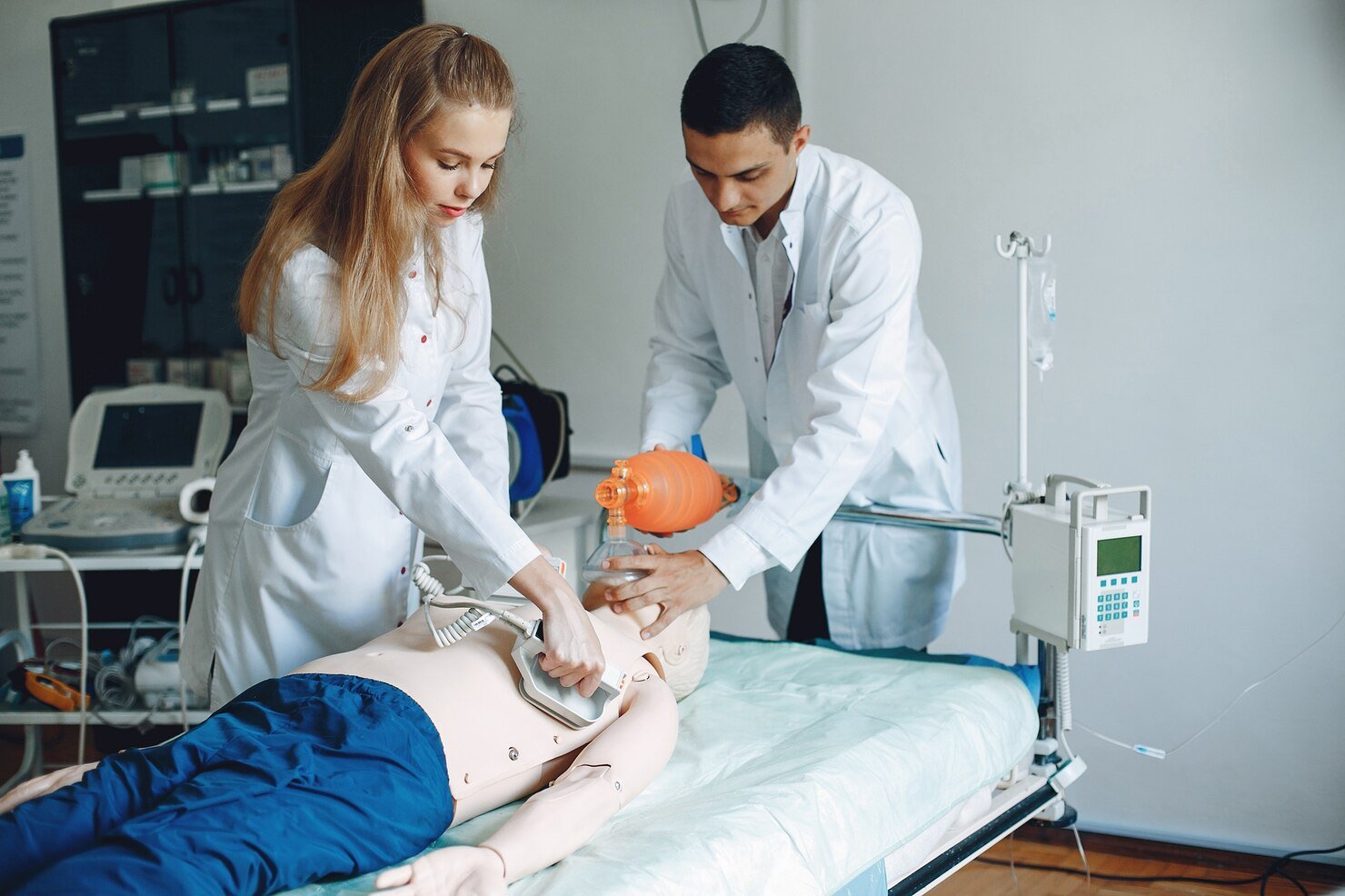
- Cardiac arrest scenarios
Instructors control the simulator remotely, adjusting patient conditions based on students’ actions. If a medication is administered correctly, the patient improves. If not, complications may occur. This interactive technology creates a powerful cause-and-effect learning experience.
Scenario-Based Learning
Instead of passive observation, students participate in structured clinical scenarios. These scenarios may include:
- Emergency response (code blue situations)
- Post-operative patient care
- Maternal and neonatal emergencies
- Pediatric critical care
- Medication administration and safety checks
Each scenario is carefully designed with specific learning objectives. Students must assess the patient, prioritize care, communicate with team members, and implement interventions in real time.
This hands-on approach strengthens clinical reasoning and decision-making skills.
Teamwork and Communication Practice
Modern healthcare depends heavily on collaboration. Simulation labs often incorporate team-based training where students assume roles such as primary nurse, secondary nurse, or charge nurse.
During these exercises, participants practice:
- Clear verbal communication
- SBAR reporting (Situation, Background, Assessment, Recommendation)
- Leadership and delegation
- Crisis resource management
These sessions help build confidence in speaking up, giving instructions, and working efficiently under pressure—skills essential in real hospital environments.
Safe Space for Learning and Mistakes
One of the greatest advantages of simulation training is psychological safety. Students are encouraged to learn through experience, even if mistakes occur.
Unlike real clinical settings, no patient is harmed if an error happens. Instead, mistakes become powerful teaching moments.
This safe learning environment reduces anxiety and allows students to build confidence gradually.
Structured Debriefing Sessions
After each simulation scenario, students participate in a debriefing session. This is where the most meaningful learning often occurs.
During debriefing, educators guide participants through reflection by asking:
- What went well?
- What could have been done differently?
- How did you feel during the scenario?
- What clinical reasoning guided your decisions?
This reflective process strengthens critical thinking and helps students connect actions to outcomes.
Integration of Modern Healthcare Technology
Simulation labs also introduce students to the tools they will use in clinical practice, including:
- Electronic health record (EHR) systems
- Patient monitoring equipment
- Infusion pumps
- Ventilators and oxygen delivery systems
Exposure to these technologies ensures students are not overwhelmed when encountering them in real hospitals.
Focus on Patient Safety and Quality Care
Modern simulation labs emphasize evidence-based practice and patient safety standards. Students learn to:
- Verify patient identity
- Perform medication double-checks
- Follow infection control protocols
- Document accurately
These habits, formed during training, translate directly into safer patient care.
Building Confidence Before Clinical Placement
For many nursing students, stepping into a hospital for the first time can be intimidating. Simulation labs act as a transitional environment where students gain practical experience before clinical rotations.
By repeatedly practicing skills in realistic scenarios, learners develop:
- Clinical confidence
- Emotional resilience
- Rapid response abilities
- Professional communication skills
When students finally enter real clinical settings, they feel prepared—not overwhelmed.
Conclusion
A modern nursing simulation lab is more than a training room—it is a dynamic learning environment designed to prepare future nurses for real-world challenges. Through realistic setups, advanced technology, structured scenarios, and guided reflection, simulation training transforms theoretical knowledge into practical competence.
Inside these labs, students do not simply study nursing—they experience it. And that experience is what builds confident, capable, and practice-ready professionals for today’s healthcare system.